Minecraft isn’t just a game—it’s a blank canvas for imagination. Often described as digital LEGO, Minecraft allows players to build, explore, and survive in procedurally generated worlds with almost limitless potential. While it’s one of the best-selling games of all time, it’s also quietly one of the most powerful tools for fostering creativity, both in children and adults.
In this blog post, we’ll explore 10 key ways Minecraft encourages creative thinking, problem-solving, and imaginative design in people of all ages.
1. Sandbox Freedom with No “Right Way” to Play

Unlike many modern video games that guide players through strict storylines or missions, Minecraft places players in a sandbox environment with minimal direction. The world is yours to shape, and the goals are yours to set.
Whether you want to build a floating castle, recreate the Eiffel Tower, or farm crops in a peaceful village, the game supports any vision you can imagine. This level of freedom teaches players to think outside the box, set their own objectives, and explore endless creative possibilities.
2. Architecture and Design Principles
At its core, Minecraft is about building. Players learn the basics of architecture—how to construct buildings, create symmetry, manage space, and experiment with aesthetics. From medieval towns to futuristic cities, players can model real-world structures or design entirely original ones.
Many players even develop a sense of interior design, planning furniture layouts, lighting schemes, and room functionality. It’s no wonder some architecture teachers and schools are using Minecraft to teach design thinking!
3. Redstone Engineering: The Basics of Circuitry
Minecraft includes a special material called Redstone, which functions like electricity. Players can use Redstone to build everything from simple doors to complex contraptions like calculators, automated farms, and mini-games.
Through Redstone, players are introduced to logic gates, switches, and circuits, often without even realizing they’re learning engineering and programming fundamentals. It’s one of the most creative and educational aspects of the game.

4. Storytelling Through Adventure Maps
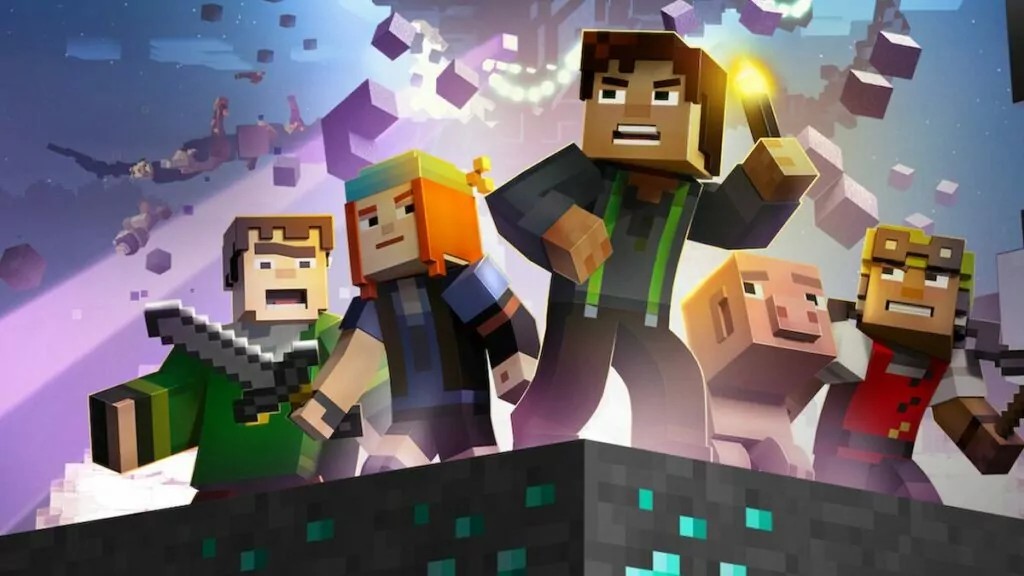
Many Minecraft players enjoy creating custom maps or adventures with detailed backstories, puzzles, and goals. These are often shared online for others to play, complete with narrative arcs and player-driven choices.
Creating these maps involves a blend of storytelling, scripting (using command blocks), and world-building. It gives players a platform to become authors and game designers, weaving interactive stories that challenge and entertain others.
5. Problem-Solving and Resource Management
In Survival Mode, players must gather materials, build shelter, and fend off monsters—all while managing health, hunger, and time. These mechanics encourage strategic planning and resource prioritization.
For example, deciding whether to mine for iron or chop wood, or how to build a mob-proof base, forces players to think critically. The challenges of survival push creativity in how players solve problems and protect themselves.

6. Custom Skins and Modding
Minecraft isn’t just customizable in-game—it’s also customizable outside the game. Players can create or download custom character skins, modifying their in-game avatar to match their personality or favorite pop culture reference.
Even deeper, the Minecraft community thrives on modding, where players create and install modifications that change how the game works. This opens the door to advanced coding, scripting, 3D modeling, and texture design, encouraging a wide range of creative technical skills.

7. Educational Use in Classrooms
Minecraft has even entered the world of education with Minecraft: Education Edition, a classroom-friendly version of the game. Teachers use it to teach subjects like history, chemistry, math, and environmental science.
For example, students might explore ancient civilizations through a recreated Roman city or learn about renewable energy by building solar-powered structures. The game’s immersive format makes learning fun, interactive, and creatively engaging.
8. Collaboration and Team Creativity
Many Minecraft servers support multiplayer collaboration, where players work together to build massive cities, theme parks, or even full-scale replicas of real-world places.
This kind of collaboration mirrors real-life teamwork, with players often assigning roles (e.g., architect, miner, designer) and working together toward a common goal. These projects build communication, leadership, and cooperative problem-solving skills—all within a creative context.
9. Artistic Expression with Blocks
Minecraft may be made of blocks, but those blocks become paint strokes in the hands of creative players. Many players create pixel art, sculptures, or landscape art using colored blocks as a medium.
Entire galleries have been built within the game showcasing digital art, mosaics, and murals. These projects can take hours of planning and execution, requiring a deep sense of color theory, spacing, and artistic flair.
10. Limitless Inspiration from the Community
One of the most powerful aspects of Minecraft is its global community. Platforms like YouTube, Reddit, and Planet Minecraft are filled with showcases of incredible builds, downloadable maps, and tutorials.
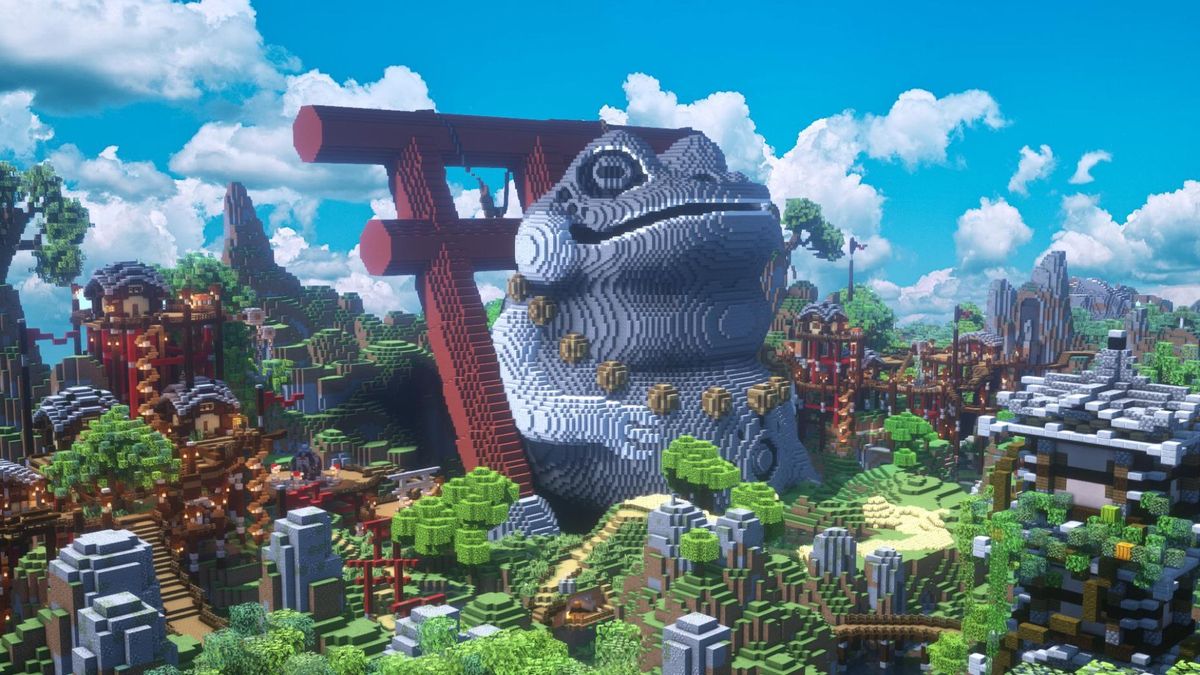
Players constantly draw inspiration from each other—whether it’s a Japanese temple someone built, an automated storage system, or a fantasy kingdom. Seeing what others create motivates players to push their own limits, iterate on ideas, and develop their unique creative style.
Final Thoughts
Minecraft is more than just a game—it’s a tool for creativity, learning, and expression. Whether you’re a child just starting out or an adult revisiting the game with fresh eyes, Minecraft provides a space to dream big and build even bigger.
It encourages artistic thinking, logical reasoning, and collaboration in ways few other games do. So the next time you see someone deep in a Minecraft world, know they might not just be playing—they might be learning, creating, and growing, one block at a time.
Are you a blogger looking to connect with your Minecraft audience? Writing about Minecraft’s educational or creative impact is a great way to appeal to parents, teachers, and players alike. Highlighting the positive influence Minecraft has on the brain can help bridge the gap between gaming and learning—and inspire your readers to think differently about the game.
Comments
Post a Comment